
Introduction
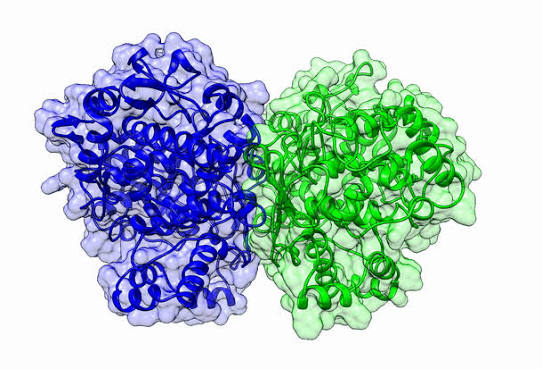
Cyclooxygenase-1 (COX-1) and cyclooxygenase-2 (COX-2) are enzymes that help the body produce prostaglandins, hormone-like compounds that regulate many physiological processes. Prostaglandins influence inflammation, pain, fever, blood flow, and the protection of the stomach lining. Understanding how these two enzymes work explains why common pain relievers such as ibuprofen, aspirin, and naproxen can be so effective, and why they can also cause side effects.
What Are Cyclooxygenase Enzymes?
Cyclooxygenase enzymes convert arachidonic acid, a fatty acid released from cell membranes, into prostaglandins and related compounds called thromboxanes.
Both COX-1 and COX-2 perform this task, but they differ in where they are found, when they are active, and what they do.

COX-1: The “Housekeeping” Enzyme
COX-1 is expressed continuously in most tissues and helps maintain normal body functions. Its key roles include:
- Protecting the stomach lining: COX-1 produces prostaglandins that stimulate mucus and reduce stomach acid secretion, shielding the stomach from damage.
- Supporting kidney function: It helps maintain adequate blood flow to the kidneys.
- Regulating blood clotting: In platelets, COX-1 produces thromboxane A2, which helps blood clots form.
Because COX-1 is involved in these everyday processes, inhibiting it can lead to side effects such as stomach irritation, ulcers, and an increased risk of bleeding.
COX-2: The Inflammation Enzyme
COX-2 is mainly “inducible,” meaning it is produced in response to triggers such as injury, infection, or inflammatory signals. Once active, it generates prostaglandins that cause:
- Pain
- Swelling and redness
- Fever
COX-2 is also present at low levels in certain tissues, including the kidneys, brain, and blood vessel lining, where it contributes to normal function.
Key Differences Between COX-1 and COX-2
| Feature | COX-1 | COX-2 |
|---|---|---|
| Expression | Constant in most tissues | Induced by inflammation or injury |
| Main role | Maintains normal functions | Drives pain, swelling, and fever |
| Stomach protection | Yes | Minimal |
| Platelet function | Supports clotting | Limited role |
| Target of NSAIDs | Yes (side effects) | Yes (therapeutic effects) |
How NSAIDs Affect COX Enzymes
Nonsteroidal anti-inflammatory drugs (NSAIDs) work by blocking COX enzymes, which reduces prostaglandin production.
- Non-selective NSAIDs (ibuprofen, naproxen, aspirin) inhibit both COX-1 and COX-2. They relieve pain and inflammation but may irritate the stomach and affect clotting.
- COX-2 selective inhibitors (celecoxib) target COX-2 more specifically. They tend to cause fewer stomach problems but may carry cardiovascular risks in some people.
- Aspirin is unique because it irreversibly inhibits COX-1 in platelets. This is why low-dose aspirin is sometimes used to reduce the risk of heart attack and stroke.
Risks and Considerations
NSAIDs are not suitable for everyone. Potential risks include:
- Gastrointestinal bleeding and ulcers
- Kidney problems, especially with long-term use or dehydration
- Increased blood pressure
- Increased risk of heart attack or stroke with some NSAIDs
People with heart disease, kidney disease, stomach ulcers, or those taking blood thinners should talk with a healthcare professional before using NSAIDs.
Frequently Asked Questions
What is the main difference between COX-1 and COX-2?
COX-1 is always active and supports normal functions such as stomach protection and blood clotting. COX-2 is mainly activated during inflammation and injury, producing the prostaglandins that cause pain, swelling, and fever.
Why do NSAIDs cause stomach problems?
Non-selective NSAIDs block COX-1, which reduces the prostaglandins that protect the stomach lining. This can lead to irritation, ulcers, and bleeding.
Are COX-2 inhibitors safer than traditional NSAIDs?
They are generally gentler on the stomach, but some COX-2 inhibitors have been linked to a higher risk of cardiovascular events. Safety depends on the individual, the dose, and the length of use.
Why is aspirin used for heart health?
Aspirin permanently inhibits COX-1 in platelets, reducing thromboxane A2 and making platelets less likely to clump. This can help prevent clots in people at risk of heart attack or stroke.
Does acetaminophen (Tylenol) block COX enzymes?
Acetaminophen is thought to act mainly in the central nervous system and has weak anti-inflammatory effects. It is not classified as an NSAID.
Can I take NSAIDs every day?
Long-term daily use increases the risk of side effects. Consult a doctor before using NSAIDs regularly.
Conclusion
COX-1 and COX-2 are both essential, but they serve different purposes. COX-1 keeps the body running smoothly, while COX-2 drives the inflammatory response. This distinction is the foundation for how NSAIDs work, and it explains both their benefits and their risks. If you rely on pain relievers regularly, speak with a healthcare professional to choose the safest option for you.
Reliable Sources and Further Reading
- [National Center for Biotechnology Information (NCBI) StatPearls: Cyclooxygenase Inhibitors](https://www.ncbi.nlm.nih.gov/books/NBK549795/)
- [U.S. Food and Drug Administration: Nonsteroidal Anti-inflammatory Drugs (NSAIDs)](https://www.fda.gov/drugs/information-drug-class/nonsteroidal-anti-inflammatory-drugs-nsaids)
- [Mayo Clinic: Nonsteroidal anti-inflammatory drugs (NSAIDs)](https://www.mayoclinic.org/diseases-conditions/arthritis/in-depth/nsaids/art-20047925)
- MedlinePlus: NSAIDsThis article is for informational purposes only and is not a substitute for professional medical advice. Please verify links and consult a healthcare provider for personal medical guidance.